Hope Mills · 28348 · Southern Cumberland County
Rodent Control in Hope Mills, NC
Hope Mills is one of Cumberland County's largest incorporated towns, positioned along the Rockfish Creek corridor south of Fayetteville. The town's mix of established lakeside neighborhoods, expanding subdivisions on former farmland, and an older downtown commercial core creates overlapping rodent pressure patterns. Same-day dispatch available. Call (844) 635-0403.
Local Rodent Pressure
What Drives Rodent Activity in Hope Mills
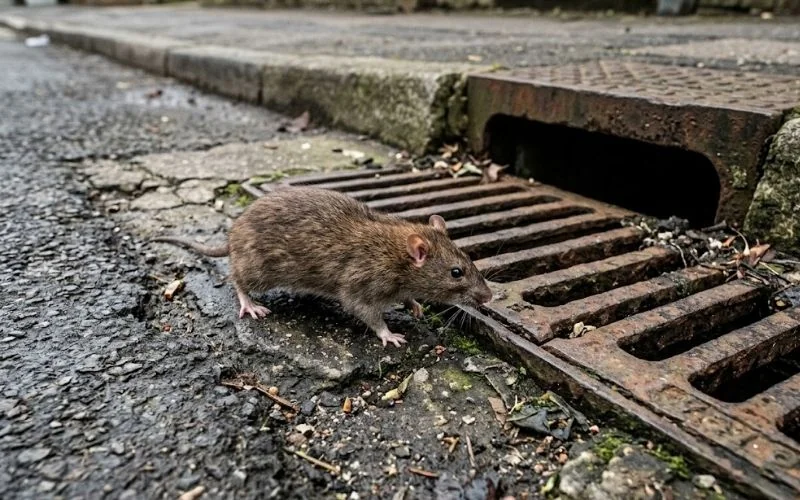
Hope Mills sits at a geographic transition in southern Cumberland County where suburban residential development meets agricultural and wooded land along the Rockfish Creek watershed. This boundary creates sustained rodent exchange between undeveloped harbor areas and residential properties. Norway rats maintain established burrow colonies along Rockfish Creek banks and move into adjacent residential crawl spaces, particularly during wet periods when creek levels rise and displace ground-level colonies.
A homeowner in a suburban subdivision called us after hearing mice in the garage. Inspection found three entry points: the garage door bottom seal had degraded, the dryer vent screen had a tear, and the gap behind the kitchen cabinets at the slab line was unsealed. We treated the active population, sealed all three points, and verified zero new activity at the 30-day follow-up.
The town's residential character ranges from 1960s-era lakeside neighborhoods near Hope Mills Lake, where mature tree canopy and aging crawl space construction create combined Norway rat and occasional roof rat exposure — to newer subdivisions built on cleared agricultural parcels south along Rockfish Road and Legion Road. The newer developments face a different rodent dynamic: construction disturbance displaces field rodent populations that were established in the prior agricultural use, and builder-grade vent screens and unsealed utility penetrations in new homes become the first entry points compromised.
Downtown Hope Mills along Main Street carries the commercial rodent pressure typical of older town centers: restaurant and food retail waste attractants, masonry gap accumulation in pre-1970s structures, and dumpster access for Norway rats foraging within a 2-3 block radius. The commercial-to-residential transition zone along Trade Street sees elevated residential pressure from this commercial attractant source.
Rockfish Creek Corridor Pressure
Norway rat burrow colonies along Rockfish Creek banks maintain continuous population that migrates into adjacent residential crawl spaces, particularly during seasonal wet periods and creek-level changes.
New Subdivision Field Displacement
Agricultural-to-residential land conversion south of Hope Mills displaces established field rodent populations into newly finished homes. Builder-grade vent screens are frequently the first entry points breached.
Hope Mills Lake Canopy Access
Mature tree cover in established neighborhoods near Hope Mills Lake provides occasional roof rat travel corridors. The combination of canopy access and aging residential construction increases upper-story entry risk.
Hope Mills Rodent Control. Call (844) 635-0403
Norway rat removal, crawl space perimeter sealing, subdivision and lakeside residential treatment. Serving Hope Mills 28348.
Call (844) 635-0403Services for Hope Mills
How We Handle Rodent Problems in Hope Mills
For Hope Mills homeowners, Norway and roof rat removal and permanent exclusion work are the most common service pairing.
Service-Specific Pages
Hope Mills Sub-Services
For specific services in Hope Mills, we maintain location-aware sub-service pages with treatment detail tailored to this area's housing stock and rodent profile.
Rat Control →
Norway and roof rat removal for the Rockfish Creek corridor and mixed housing
Mice Control →
Mouse removal and fine-gap proofing for older homes and newer subdivisions
Rodent Exclusion →
Era-appropriate sealing materials for Hope Mills' diverse construction
Rodent Problem in Hope Mills? Call Now.
Same-day dispatch from our Fayetteville base across Cumberland County and the Sandhills. Free on-site inspection, written quote before any work begins.
📞 Call (844) 635-0403FAQ
Rodent Control Questions: Hope Mills
Does rodent pressure in Hope Mills come from Hope Mills Lake?
Hope Mills Lake and its surrounding wooded buffer create harbor and water access for Norway rats on the north side of town, but the lake isn't the primary driver. The larger factor is the mix of older in-town residential stock with crawl space gaps and newer subdivisions built on cleared agricultural land where displaced field rodents move into homes during and after construction.
I live in a newer subdivision off Rockfish Road. Can I still get rats?
Yes. New construction on formerly agricultural land south of Hope Mills frequently sees displaced Norway rat populations that established in crop fields and moved into residential structures during land clearing. Sandy Sandhills soil makes burrowing to new crawl space perimeters easy. Builder-grade vent screens are often the first entry point compromised.
How quickly can you reach Hope Mills?
Hope Mills is approximately 10-15 minutes from central Fayetteville. It's well within our core service area. Same-day dispatch is available. Call (844) 635-0403.
Do you treat commercial properties along Main Street in Hope Mills?
Yes. The older downtown Main Street corridor and adjacent commercial parcels are within our service scope. Restaurant, retail, and mixed-use buildings in the Hope Mills core receive the same treatment protocol as Fayetteville commercial properties. Call for a commercial quote.
Rodent Control in Hope Mills. Call (844) 635-0403
Available around the clock. Written treatment scope before any work starts. No forms, just call.
Call (844) 635-0403